
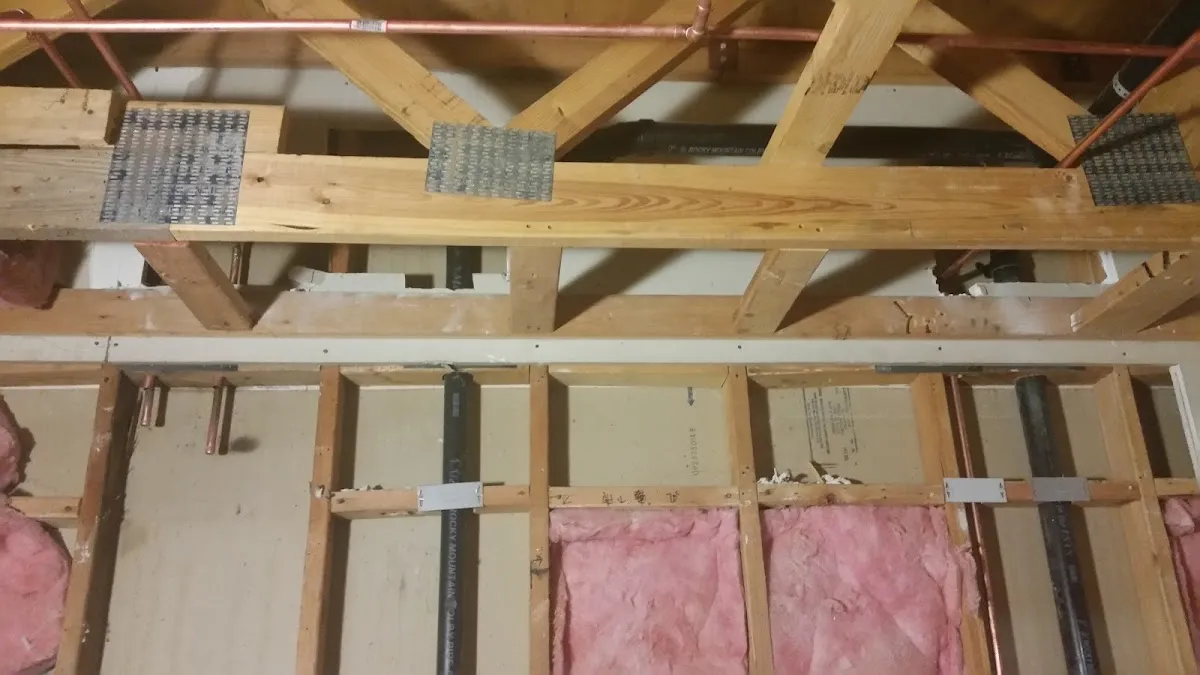
Expert slab leak repair in Lincoln, RI. Licensed plumbers, quality materials, and results you can count on.
When a slab leak develops under your Lincoln, RI home, the water migrating through your concrete slab can saturate flooring, undermine structural stability, and feed mold growth inside walls. Phoenician Plumbing responds fast with professional detection technology to locate the leak precisely and perform a repair that stops the damage at its source.
Properties throughout Lincoln (pop. 24,371) face unique challenges when it comes to slab leak repair. Rhode Island climate patterns, local water chemistry, and the specific pipe materials found in Lincoln construction all influence the approach we take. Phoenician Plumbing tailors every slab leak repair project to the conditions your plumbing system actually faces — no generic solutions, no unnecessary work.
Choosing the right contractor for slab leak repair in Lincoln, RI makes all the difference between a lasting repair and a recurring problem. Phoenician Plumbing uses professional-grade materials, follows industry best practices, and backs every project with a comprehensive workmanship guarantee. Call (855) 764-0636 to schedule your free assessment.
Here is how we handle every slab leak repair project in Lincoln.
We use electronic leak detectors, thermal imaging, and acoustic listening devices to pinpoint the exact location of the slab leak under your foundation before any concrete is cut.
Phoenician Plumbing recommends the most appropriate slab leak repair method for your Lincoln, RI property after assessing the leak location, pipe material, age, and overall plumbing condition. We explain the pros and cons of each option clearly.
Our licensed Lincoln plumber completes the slab leak repair using the method you approved. We work carefully to minimize disruption, protect your flooring and walls, and use pipe materials rated for long-term performance in your system.
After the repair, we pressure test the line to confirm the leak is fully resolved. We then patch any concrete or drywall access points and clean up the work area completely.
Common questions about slab leak repair in Lincoln.
Common signs of a slab leak in Lincoln include unexplained increases in your water bill, warm or wet spots on floors, the sound of running water when all fixtures are off, low water pressure, cracks appearing in walls or flooring, and mold or mildew odors. If you notice any of these, call Phoenician Plumbing for professional slab leak detection.
Slab leaks in Lincoln are most commonly caused by pipe corrosion in copper lines from soil chemistry or water quality, pipe movement from soil shifting or seismic activity, poor original installation with pipes that rub against concrete, and high water pressure that stresses pipe walls over time. Older homes with copper supply lines are most susceptible.
Yes. A slab leak that goes unaddressed in a Lincoln home can erode the soil under the foundation, undermine the concrete slab, cause cracks in walls and flooring, and lead to significant structural movement over time. Early detection and repair prevents these expensive secondary consequences.
Most homeowners policies in Rhode Island cover the water damage caused by a slab leak — such as flooring replacement and drywall repair — but coverage for the pipe repair itself varies. Some policies include access coverage for opening the slab. Phoenician Plumbing helps Lincoln homeowners document the leak and provides the estimates insurers require.
See what customers across the country say about working with Phoenician Plumbing.
"Burst pipe emergency on a Sunday night. I was amazed they picked up and had someone to my house within an hour. Stopped the flooding, fixed the pipe, and gave me solid advice on preventing it from happening again."
"Water heater went out on a Friday evening. They had a plumber at my door Saturday morning and the new unit installed by noon. Could not be happier with the speed and quality of service."
"Gas line extended for a new outdoor grill connection. Permitted, inspected, done correctly. They explained the pressure testing process and made sure everything was up to code before leaving."